The Film
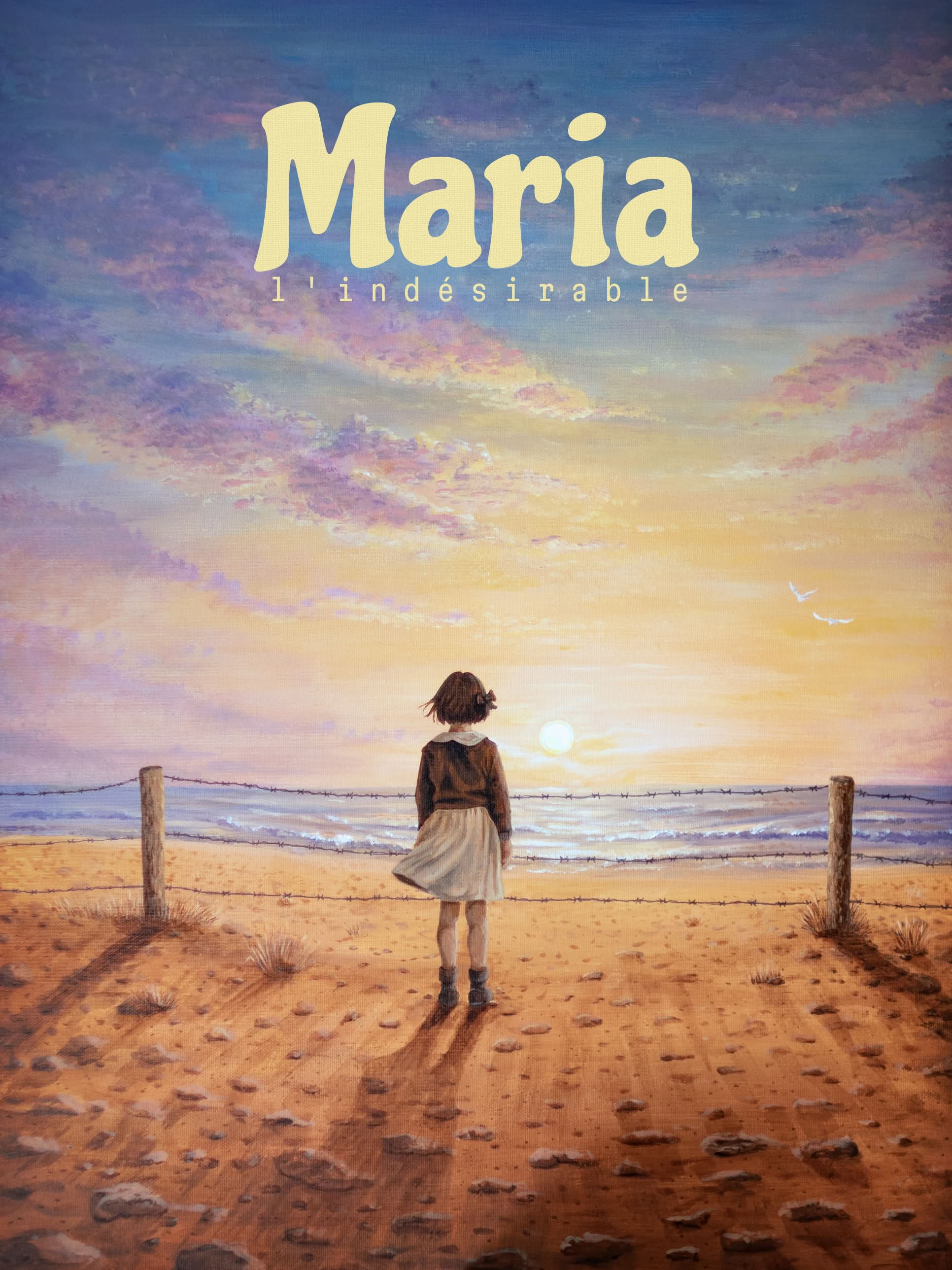
Maria the Undesirable is a 76-minute independent documentary. Through the testimony of my grandmother Maria, the film tells the story of a childhood upended by exile, French internment camps and a sense of rejection, while exploring what family memory can pass on from one generation to the next.
Since its completion in spring 2026, the film has begun its festival journey in France and abroad. Its distribution is also accompanied by meetings and educational screenings, helping to bring this story to new audiences.
Director’s statement
As a child, I was always very close to my grandmother. I was the first person she told about her time in the internment camps after her forced exile from Spain following Franco’s victory over the Republican forces. After decades of silence, she had finally begun to speak. She then devoted a large part of her life to giving her testimony. Passing on her story had become a necessity for her.
For my part, I had long kept in mind the idea of one day doing something with her testimony. The birth of my children made me feel an urgency not to let this memory disappear. At first, I did not imagine making a film. I simply thought I would make a video for my family: an intimate record intended for those close to us.
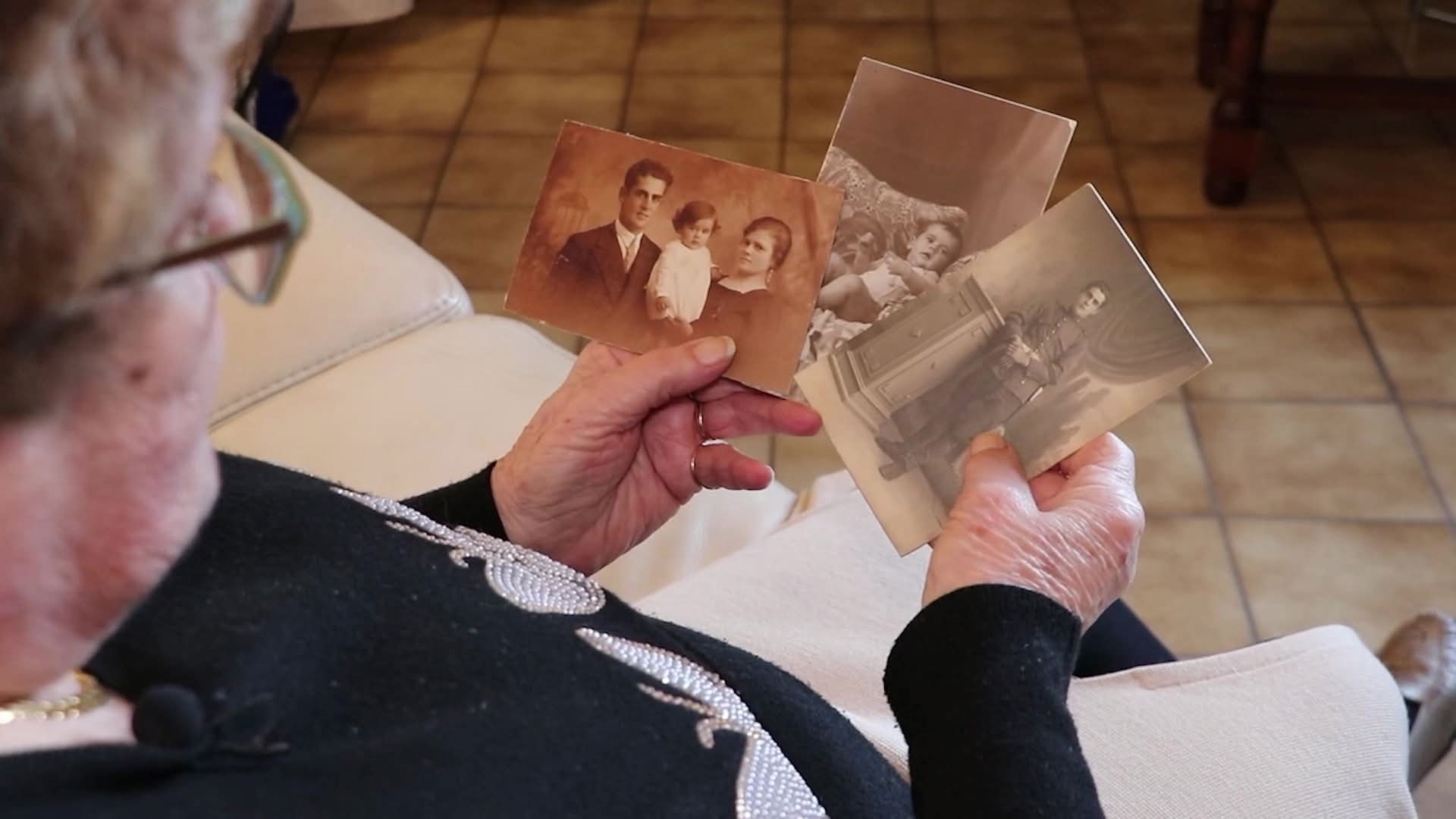
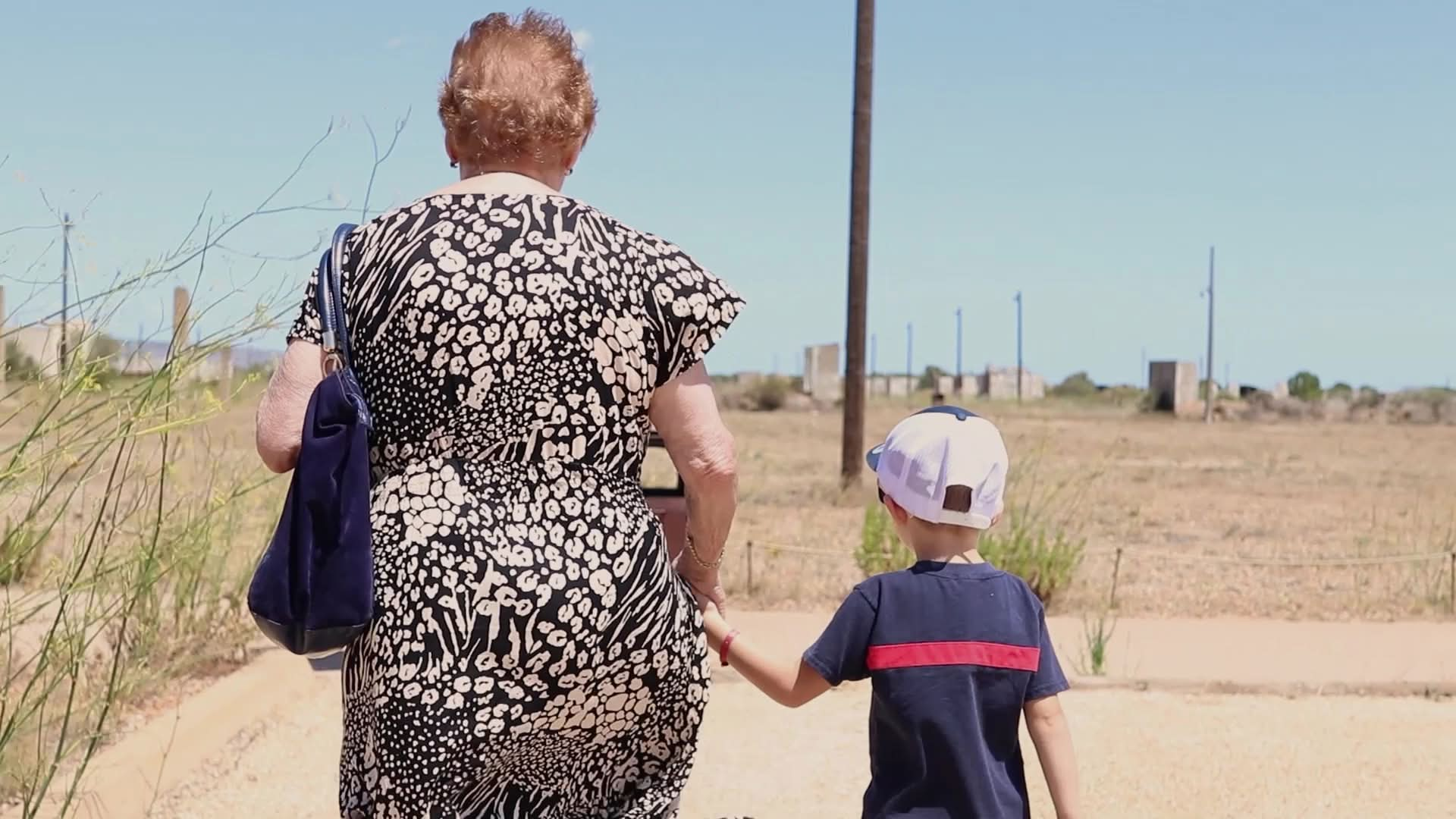
I began filming Maria in 2021. Very quickly, the idea emerged to go further: to return with her to the places of her story. We made this journey together: Maria, her daughter (my mother), my children and me. Four generations brought together to revisit the places where she had been confined as a child. This family and historical journey, through both space and time, gave her story a new dimension.
The evocative power of exile, the singularity of Maria’s journey, but also its universal resonance, made me realize that it would be a shame to keep such a testimony within our intimate circle alone. The film became a way of continuing the duty of transmission to which she devoted a large part of her life.
Direction
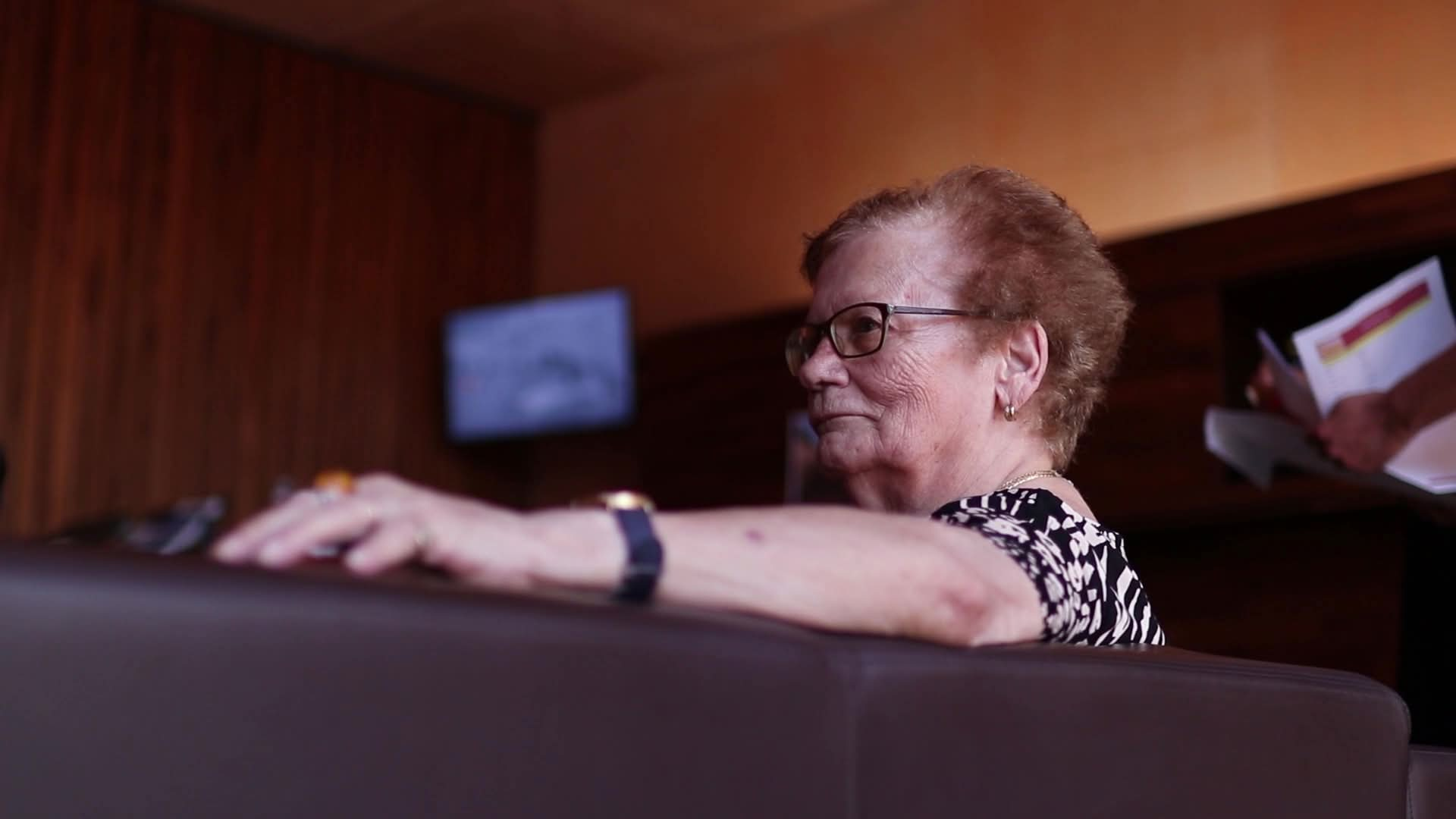
The film is built around a deliberately simple setup: interviews filmed at her home, with two camera angles that capture both the continuity of her story and the nuances of her emotions. These intimate moments are interwoven with handheld footage filmed during our journeys to the places of her story. These freer sequences anchor her testimony in the present, in the landscapes she crossed as a child.
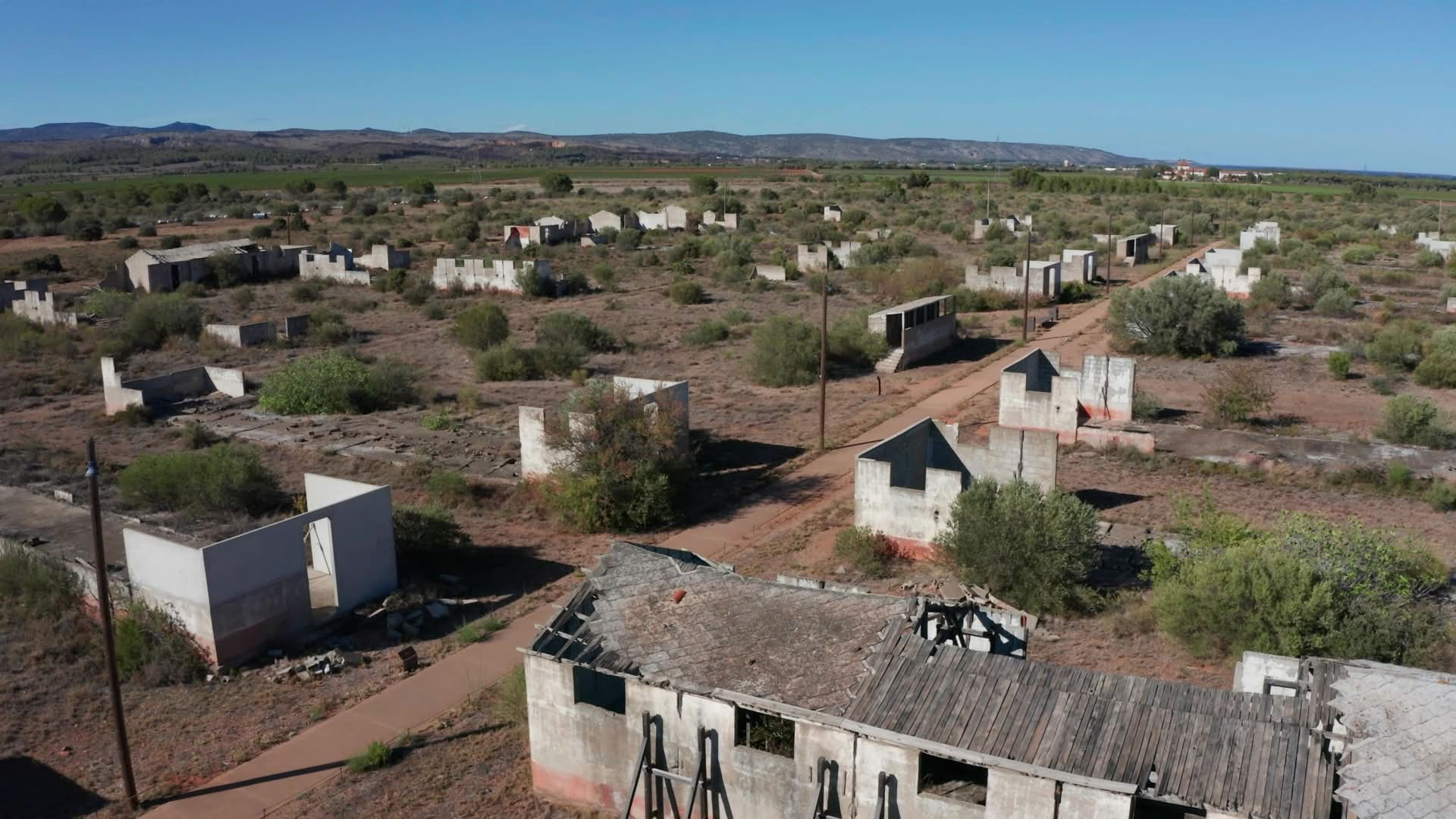
At the same time, I opened the family archives and drew on historical documentation to complete her story and place it in context. It seemed essential to give viewers the reference points they need to grasp the historical issues running through her personal story. The film is therefore punctuated by a few voice-over passages, accompanied by archival images and period documents.
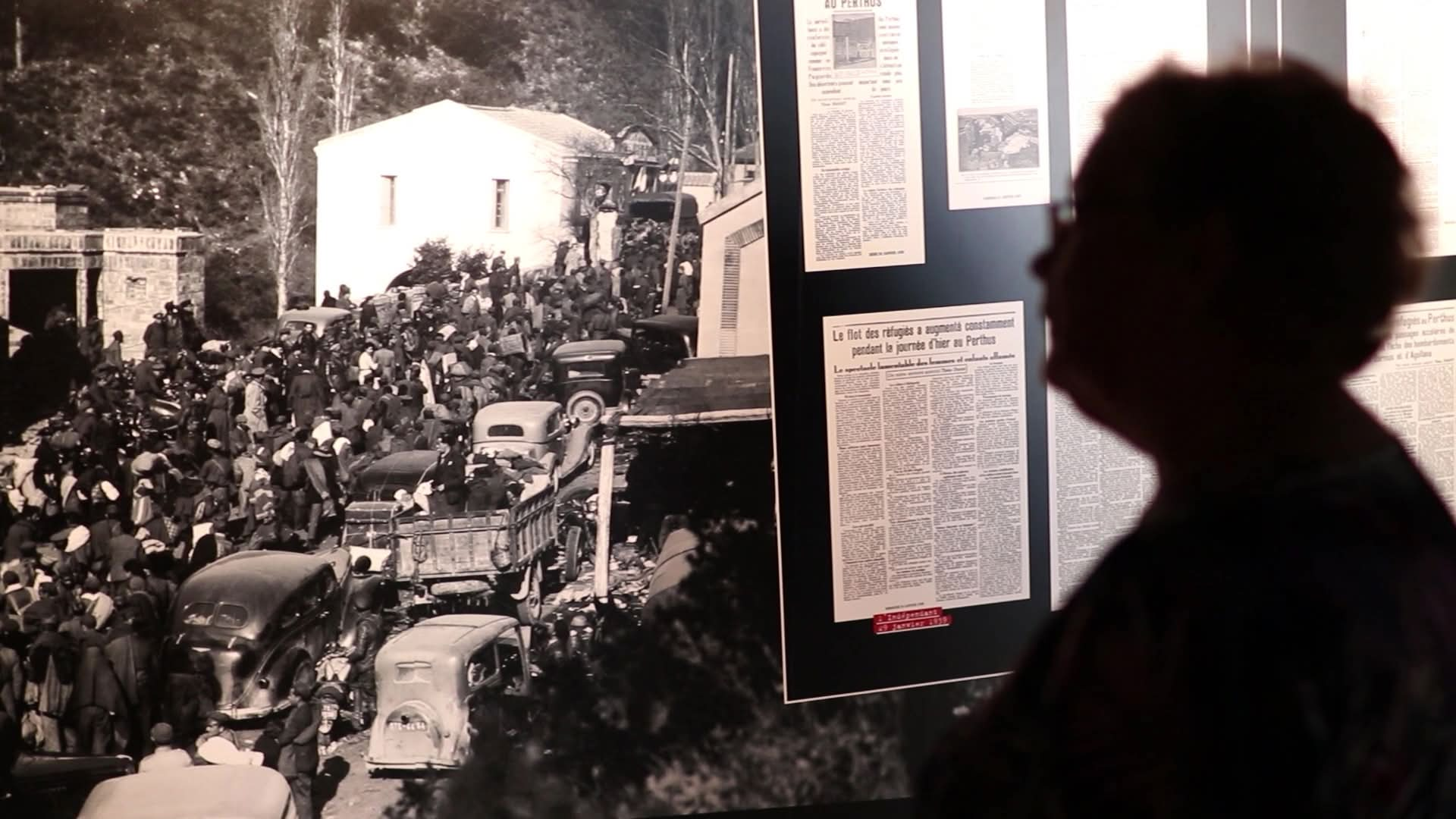
I wanted to create open, luminous images that leave room to breathe. This choice contrasts with the harshness of what she recounts: a childhood marked by confinement, fear and deprivation. For me, it was important never to trap her story in a heavy-handed approach, but instead to create the conditions for listening.
I wanted to show Maria as she is: human, direct, sometimes funny, always sincere. A simple approach, allowing a voice that had long been denied a place to fully exist.
Filmmaking
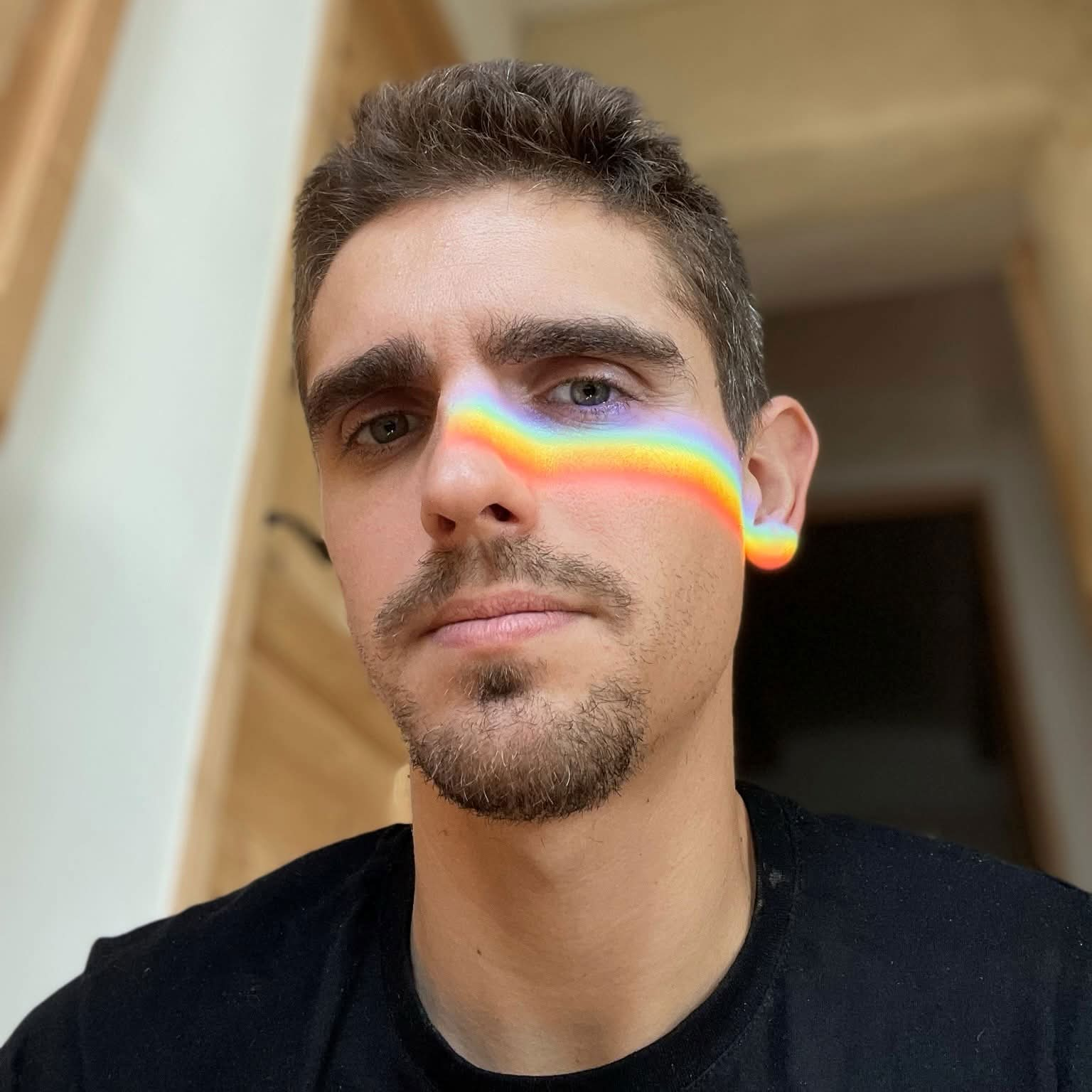
My name is Clément Bastie, I am 35 years old and the father of three young children. I teach life and Earth sciences at a high school in the Drôme region.
My relationship with my grandmother Maria has always been special. While she had long kept silent about her childhood in the internment camps, I was the first person she confided in. She then continued this work of remembrance for more than twenty years, giving her testimony in schools and secondary schools. This intimate bond led me to undertake this documentary, initially conceived as a family film.
Self-taught in filmmaking and editing, I independently produced and directed Maria the Undesirable in my spare time, alongside my teaching career. This first film is part of an approach to transmission, between family memory and collective history.
Technical information
Clément Bastie
Joachim Thibault
Documentary
Memory, exile, transmission, childhood, human rights, refugees
Audio: french
Subtitles: french ,
english ,
spanish ,
catalan
2026
Independently produced film
76 minutes
HD 1920 x 1080 - 16:9 Stereo
Festivals and awards